Most of a garment’s unit cost, the number of sample rounds it will need, and the order size it can support are already decided at the sketch. By the time a factory opens the tech pack, the panel count, trims, fabric, print method, and construction have already set the price range.
That works in the designer’s favor. The decisions with the biggest impact on cost and lead time sit with the design team, at a stage when changing them costs nothing more than a revised drawing. A design built with production in mind keeps its character at 3,000 units and reaches the factory ready for an accurate quote.
This guide looks at the five design decisions that move cost, sampling, and minimums the most, how colorways and sizes multiply them, what shifts between a runway piece and a commercial garment, and how to move a collection from mood board to tech pack.
Where cost is decided
A factory price is built from fabric consumption, trims, sewing minutes, and overhead. The design sets every one of those inputs. The factory’s job is to produce the garment efficiently against the specification it receives.
Why the Sketch Sets the Price
Every line on a technical drawing becomes a cost line on the quote. A seam becomes sewing minutes. A pocket becomes extra pattern pieces, extra fabric, and extra operations. A custom zipper pull becomes a trim with its own supplier, minimum, and lead time.
Factories price a garment by its fabric and trim consumption plus the standard minutes needed to cut, sew, finish, and pack it, as we explain in our guide to apparel costing and FOB pricing. Two jackets that look similar on a mood board can differ widely in price once their construction is broken into operations. We walk through that difference line by line in what it costs to make a jacket.
Designing for production means knowing which choices carry the most cost and deciding deliberately where to spend it.
Five Design Decisions That Change Cost, Sampling, and Minimums
1. Panel count and seam count
Each extra panel adds cutting, matching, and sewing work, and it changes how efficiently the pattern pieces fit on the fabric. Color blocking, princess seams, and paneled sleeves all add value, and each one adds minutes. Where a seam serves the fit or the look, it earns its place. Where it only exists because the first sample was draped that way, consolidating two panels into one can lower the price without changing what the customer sees.
2. Trims and hardware
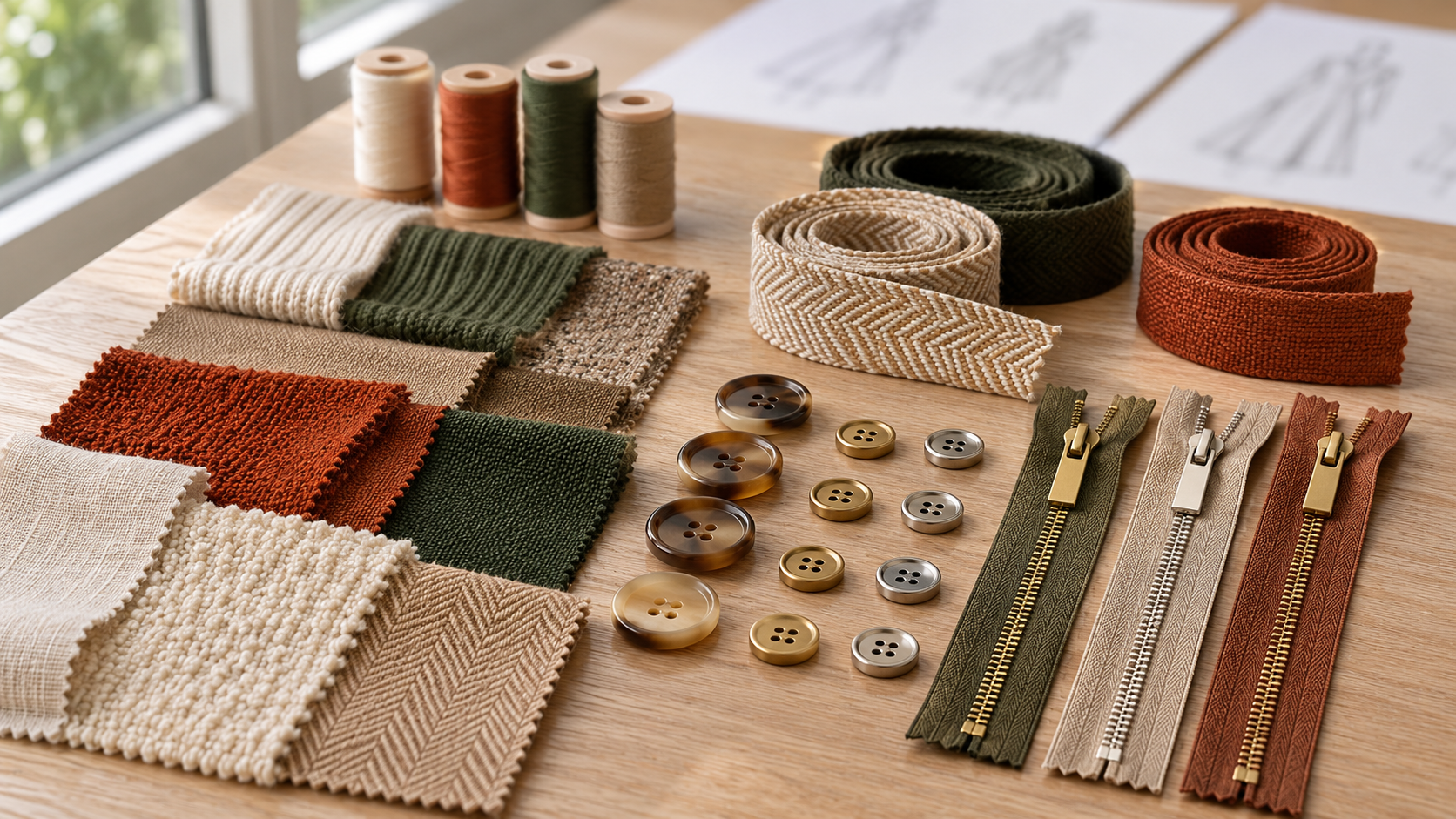
Stock trims from established suppliers are available in standard colors and sizes with short lead times. Custom trims (molded zipper pulls, engraved buttons, woven jacquard tapes, branded snaps) carry their own minimums and development time, and each needs its own approval. At 3,000 units per style, custom trims usually make sense for a signature detail. Across an entire collection they can add weeks to the calendar. Strong collections typically choose one or two branded trims and specify stock components for everything else.
3. Specialty fabrics and finishes
A fabric already in a mill’s commercial range is the fastest route to bulk. A custom development (new blend, special weave, or a finish the mill does not run regularly) adds development time and often its own minimum per color. The fabric directions forecast for autumn 2027 show how far ahead mills plan, which we cover in our piece on autumn 2027 textures, fabrics, and silhouettes. Designers who work with qualities mills are already developing get trend-led fabric on a commercial schedule.
4. Print and embellishment methods
Screen printing, digital printing, sublimation, embroidery, and appliqué each carry different setup costs and per-unit costs. Screen prints are priced partly by color count because each color needs its own screen. Engineered prints that must align across seams add pattern matching at cutting. Allover prints done on fabric before cutting behave differently from placement prints applied to cut panels. Choosing the method alongside the artwork keeps both the look and the cost under control.
5. Construction complexity
Bonded seams, taped seams, bound edges, hand finishing, and operations that need specialized machines all narrow the set of production lines that can make the garment. That affects price, capacity, and lead time. Specialized construction belongs where it does a real job (weather protection on outerwear, a clean edge on an unlined garment). Standard construction works everywhere else.
Colorways and Sizes Multiply Every Decision
A production minimum applies per style, and the fabric is bought per color. A style ordered at 3,000 units in one color draws on a single dye lot. The same 3,000 units spread across six colorways means six smaller fabric orders, six lab dip approvals, and six sets of color-matched trims and thread. Each colorway may also have to meet the mill’s minimum per color on its own.
Sizes work the same way. A wide size range adds grading work, more pattern pieces to approve, and smaller quantities in the outer sizes. Range works best when it is planned: a core palette carried across several styles, fashion colors reserved for the styles with the strongest sell-through, and a size curve based on actual sales data. Color decisions follow a fixed approval sequence, which our article on why fall 2027 clothes are already decided shows is set long before a garment reaches the store.
From Runway Piece to Commercial Garment
A runway sample is made once, in one size, often by hand, to show an idea. A commercial garment is made thousands of times, in a full size range, to the same standard every time. Moving from one to the other changes four things.
Fabric
Show fabrics are often swapped for commercial qualities with similar hand, weight, and drape that a mill can supply at volume and repeat next season.
Construction
Hand operations become machine operations, and panels that serve no visible purpose are consolidated.
Fit across sizes
The sample size is graded across the full range, and proportions are checked at the smallest and largest sizes.
Wear and care
Seams, trims, and finishes are confirmed to hold up through washing and everyday wear.
The real skill is deciding which details carry the design. Most garments have two or three: a collar shape, a seam line, a trim, a fabric. Those are worth protecting at full cost. The details nobody notices are where a design can be simplified without losing its identity. The silhouettes shaping winter 2027 coats show how much of a look comes from proportion and fabric alone.
Protect the details that carry the design. Simplify the ones that only carry cost.
From Mood Board to Tech Pack
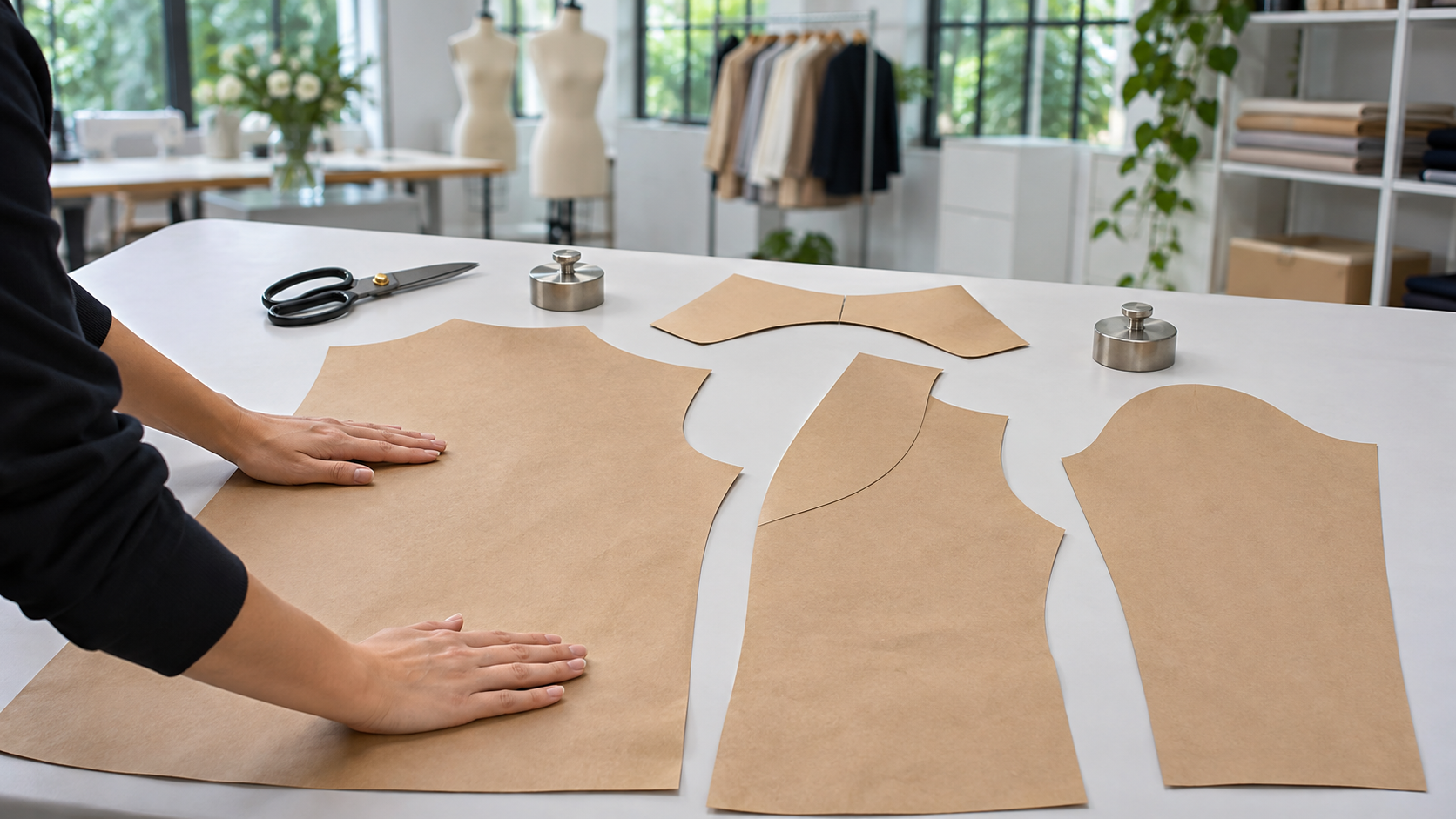
A mood board communicates direction. A factory needs measurements. The work between the two is translating intent into specifications a production team can use to price, sample, and inspect each garment.
That means technical flats from front and back, points of measure with tolerances, grading across the size range, a bill of materials naming every fabric and trim, construction details for each seam, and artwork files at production resolution. Anything left open in the tech pack becomes a question during sampling, and every answer adds time. Our guide to production-ready tech packs sets out what a complete package contains.
Decide before the first sample
Fabric, trims, print method, and the size range should be fixed in the tech pack before sampling starts. Each change made after the first sample usually means another sample round.
How Development Tools Shorten Sampling
Experienced production partners now review much of a garment before any fabric is cut. 3D garment simulation shows proportion, drape, and fit on a digital form so obvious adjustments can be made at the pattern stage. Product lifecycle management (PLM) systems keep the tech pack, comments, and revisions in one current version so the factory always samples against the latest specification.
Sampling then runs in two stages. A quality sample confirms construction and fit before materials are committed. A production sample, made in the final fabric and trims, becomes the reference for bulk and the standard used at quality control and inspection. Our guide to the sample development process covers each round in detail.
A design that arrives production-ready usually needs fewer rounds, and every round saved shortens the calendar. From a complete tech pack, scaled programs in Vietnam typically take 90 to 150 days to ex-factory, with bulk production running four to six weeks from sample approval.
Questions to Answer Before a Design Goes to the Factory
A short review at the end of the design stage catches most of the choices that would otherwise surface during sampling.
- Which two or three details carry this design? Those keep their full cost.
- Can any panels be combined without changing what the customer sees?
- Which trims are custom, and does each one justify its minimum and lead time?
- Is the fabric in a mill’s commercial range, or is it a custom development?
- How many colorways does each style need, and can colors be shared across styles?
- Is the print method chosen, with color count and placement fixed?
- Does any operation need specialized equipment, and is it doing a job the customer will notice?
- Is the tech pack complete, with graded measurements and a full bill of materials?
Where Pham Fashion House Fits
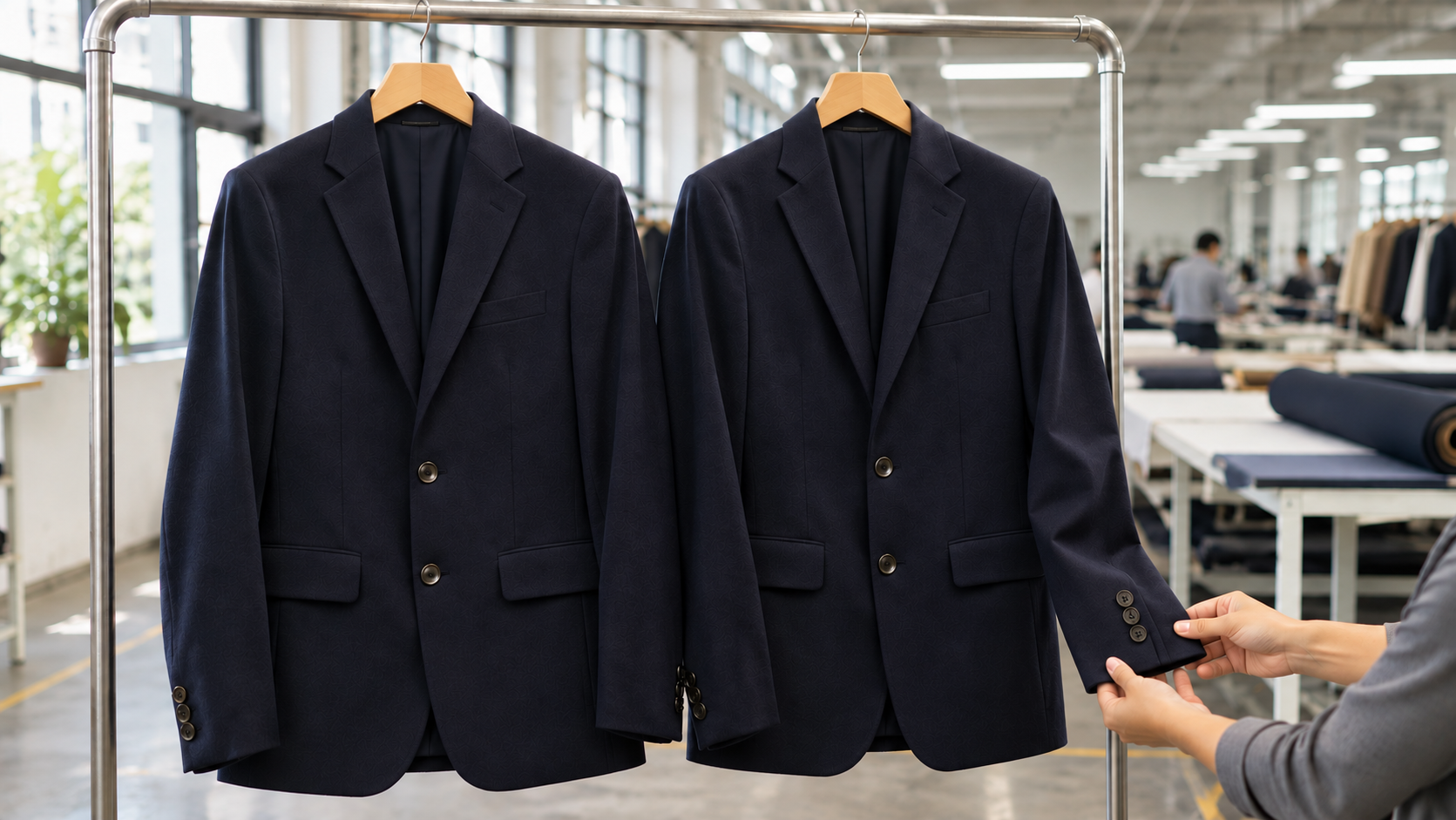
Pham Fashion House manages apparel production in Vietnam for brands moving collections from approved design into scaled production. We review tech packs and bills of materials before sampling, flag the choices that will drive cost or add sample rounds, and suggest production alternatives that keep the design’s signature details intact.
Our programs typically start at around 3,000 units per style, for brands with finalized tech packs and clear quantity targets. Brands building their own label on proven styles can read how we approach private label apparel manufacturing.
Designing for production
Taking a collection from design to production?
Send your tech packs, quantities by style and color, and target delivery date. We will review the design for production readiness and outline cost, sampling, and timing with you.
Start a ConversationStill preparing documentation? Read our guide to production-ready tech packs.