The Apparel Sample Development Process for Vietnam Production
Sample development is where apparel production risk becomes visible. A tech pack describes a garment on paper. A well-executed sample confirms whether that garment can be built to the buyer's construction, fit, and quality standards before bulk fabric is cut and production capacity is committed.
For buyers moving apparel programs into Vietnam, understanding how sample development works, what each sample stage delivers, and how to prepare for productive sampling reduces surprises later in the process and improves the odds of a clean first production run. This guide walks through the two-stage sample process used across our production network, what buyers should provide, and how sample approval connects to bulk production and quality control.
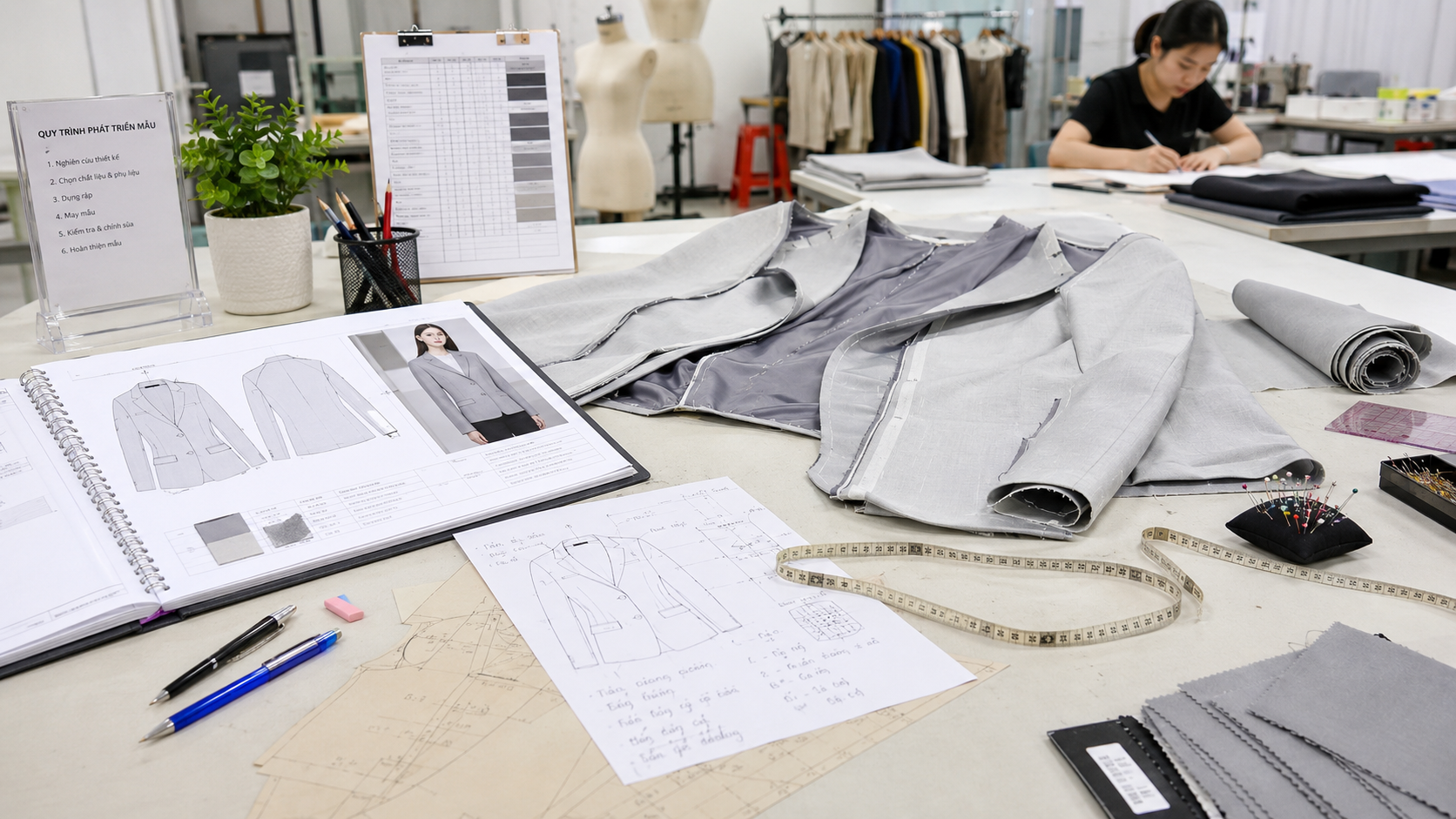
The tech pack is the input to sampling
Sampling accuracy depends entirely on the quality of the tech pack. A complete production-ready tech pack with graded specs, construction callouts, and full trim and finishing detail lets the factory build a useful sample on the first attempt. An incomplete tech pack forces the factory to make assumptions, and those assumptions rarely align with what the buyer had in mind.
Where Sampling Sits in the Production Timeline
Sampling comes after the tech pack is finalized and before any bulk production commitment is made. It is not a stage buyers can compress or skip without absorbing significant risk into the production run. Every hour spent on well-executed sampling saves multiple hours of correction, rework, or write-off during bulk production.
Sampling lead times and sampling fees are inputs to a successful production run, not overhead to be minimized. Serious buyers treat sample development as the point where design intent, factory capability, and material sourcing come together into a producible garment. This is particularly important for buyers moving into scaled production programs where the first bulk run sets the pattern for every order that follows.
The Quality Sample: Construction Validation Before Materials
The first sample stage in our production network is called the quality sample. Its purpose is focused. It confirms whether the factory can construct the garment to the standard the buyer expects, using the tech pack as the specification.
Materials for the quality sample may not be the final production fabric. Trims may be substitutes. Finishing may be simplified. What matters at this stage is workmanship. Seam construction, pattern grading, panel alignment, topstitch quality, buttonhole execution, edge finishing, lining attachment, and overall build integrity are all evaluated against the tech pack.
The quality sample answers one question. Can this factory build this garment well? If the answer is yes, the process moves forward. If the answer is no, corrections are made before final materials are ordered.
This construction-first approach reduces production risk in two ways. It lets buyers evaluate factory capability against their own construction expectations before final materials are ordered. It also surfaces construction issues at the point when corrections are cheapest and fastest, before fabric has been committed and material investment has been made.
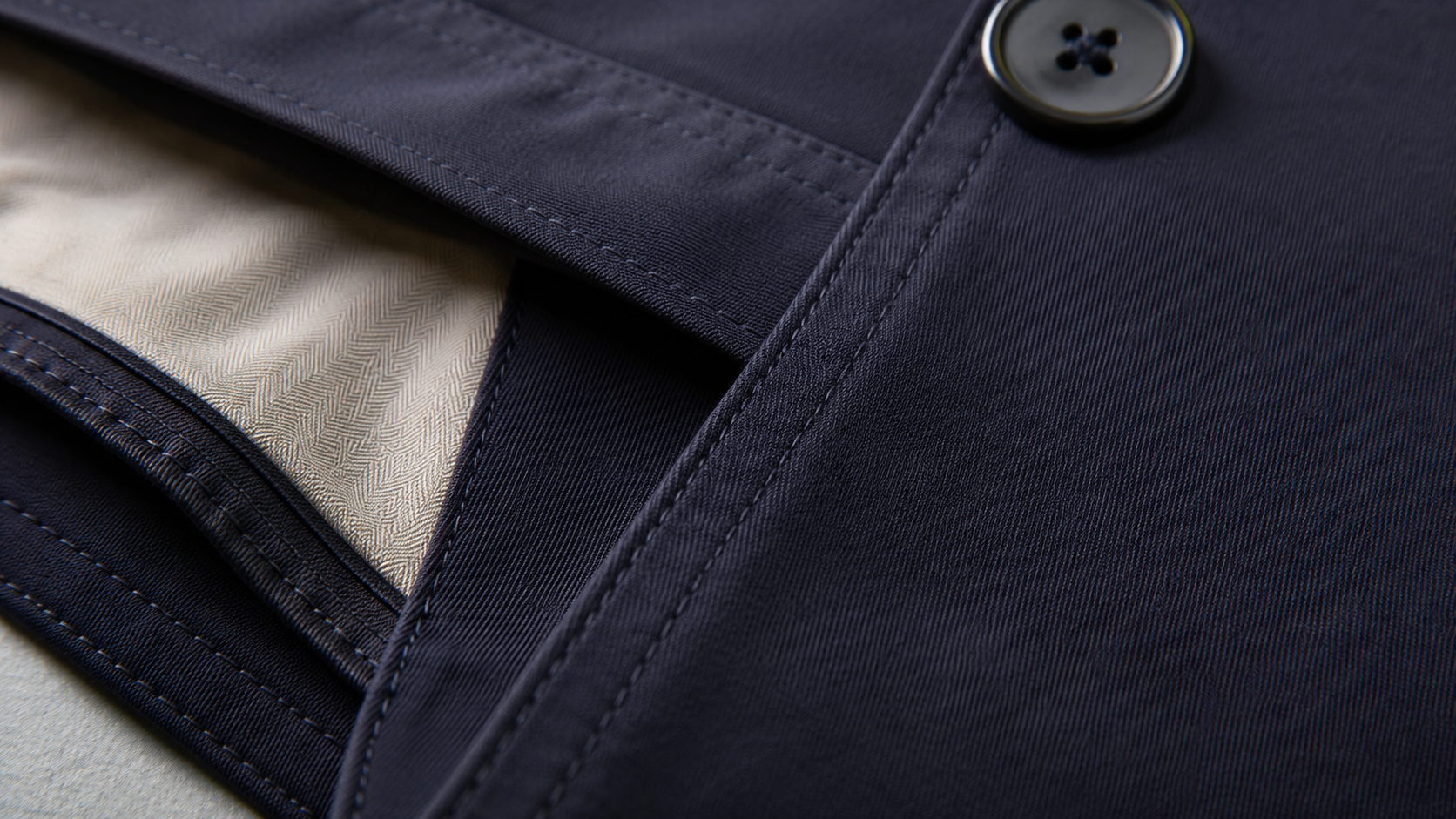
The Production Sample: Final Fabric, Trims, and Finishes
Once the buyer approves the quality sample, the production sample is built. This sample is constructed in the final production fabric, with final trims, final labels, final wash or finish, and final construction. It represents exactly what will be produced in bulk.
The production sample serves several purposes. It confirms the final aesthetic and hand feel of the fabric. It verifies that trims and hardware perform correctly with the chosen materials. It becomes the physical reference against which bulk production will be inspected during quality control inspection. And it gives the buyer a final approval point before production capacity is committed.
Production sample approval is a substantive decision, not a formality. What the buyer approves at this stage becomes the reference for bulk production, and any deviations at scale will be measured against this exact garment.
Quality sample
Purpose: validate construction and workmanship. Materials may be substitutes. Trims may be simplified. The buyer evaluates whether the factory can build the garment to the tech pack standard before final materials are ordered.
Production sample
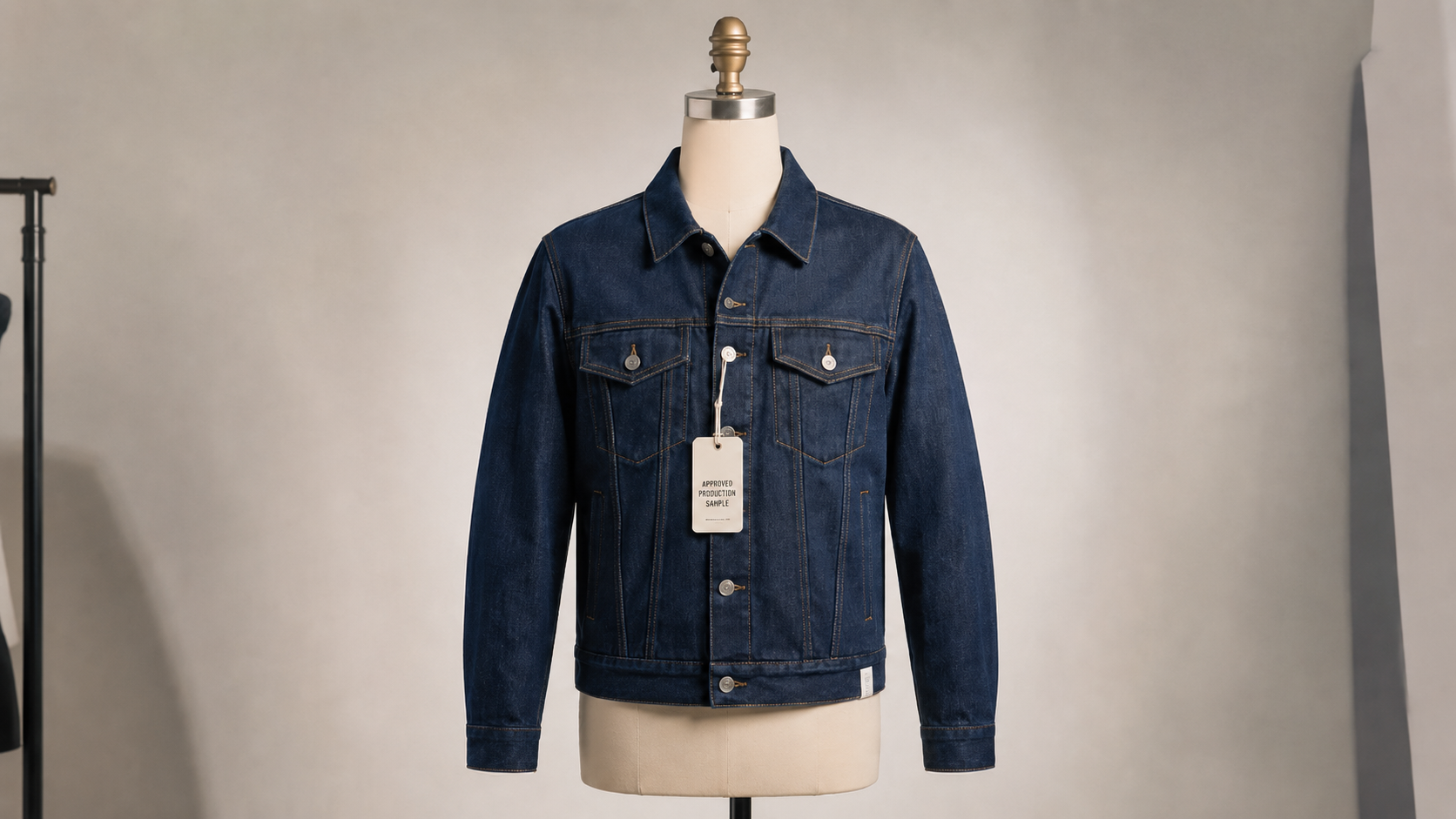
Purpose: final approval before bulk. Built in final fabric with final trims, labels, and finishes. Becomes the physical reference for bulk production and quality control inspection. Approved production sample is the production standard.
What Buyers Should Provide Before Sampling Begins
Sampling productivity depends on the completeness of what the buyer provides at the start. The following inputs let the factory build a useful sample on the first attempt and reduce the risk of extended sample cycles.
Finalized tech pack
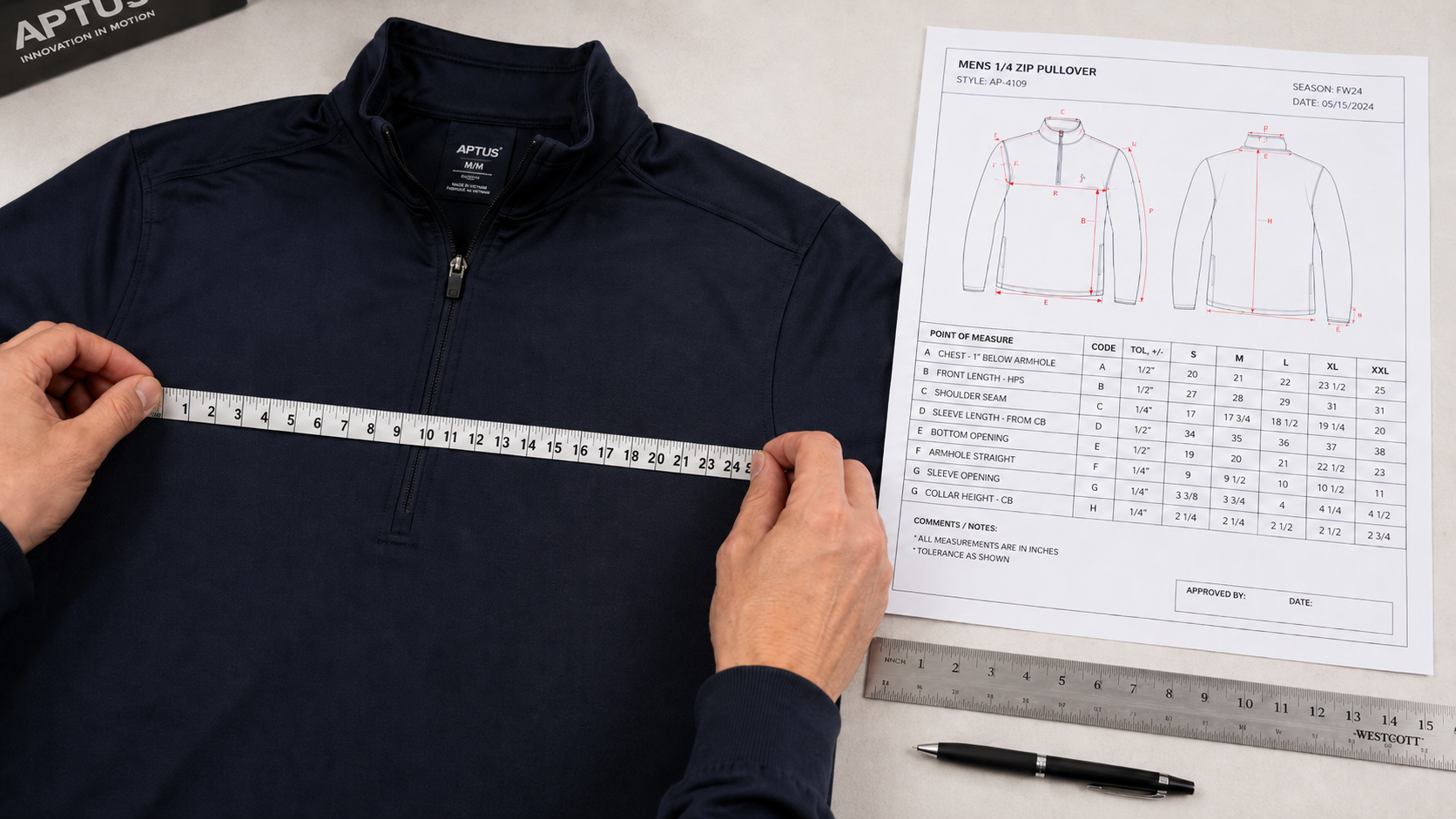
Complete tech pack with all measurements, construction callouts, seam specifications, and finishing detail. Photos or sketches alone are not sufficient.
Graded spec sheet
Graded specs across the full size range the buyer intends to produce, with points of measure and tolerances clearly documented.
Fabric direction
Fabric specifications with composition, weight, and construction, or written approval for factory sourcing against defined criteria.
Trim direction
Trim specifications for buttons, zippers, hardware, labels, and packaging, or written approval for factory sourcing.
Reference garment
Existing garment for construction, fit, or aesthetic reference when available. Reference garments accelerate sample interpretation.
Fit intent
Clear direction on fit intent, target measurements, and how the garment should sit on the body across the size range.
Quantity intent
Confirmed target order quantity by style and colorway, which informs fabric sourcing decisions and material minimum planning.
Delivery timeline
Target shipment date, which sets the sampling and production schedule and identifies any fabric lead time constraints early.
Sampling Fees and Lead Times
Sampling fees vary by garment complexity, materials, and the number of sample rounds required. Fees are determined after tech pack review, before sampling begins. For qualified production programs, sampling fees are credited toward the first production order.
Quality samples typically deliver within two to three weeks of tech pack approval, depending on garment complexity and current factory workload. Production samples add fabric procurement time, which varies significantly based on whether materials are sourced from stock or produced to order. A typical full sample cycle for a moderately complex garment runs four to eight weeks from tech pack finalization to approved production sample.
These timelines are working estimates. Technical garments with specialty fabrics, complex constructions, or multiple wash or finish steps can run longer. Sampling schedules should be built into the overall program timeline early, not compressed at the end. Sample lead times also inform how FOB pricing and costing are quoted, since fabric procurement and sample rounds affect the total program budget.
Common Sampling Pitfalls
Certain patterns consistently create sampling delays or produce samples that do not deliver useful information. Recognizing these patterns early lets buyers avoid the most common causes of extended sample cycles and production surprises.
Incomplete tech packs
Sampling cannot productively begin without complete specifications. Missing measurements, unclear seam callouts, or absent trim specifications force the factory to either wait for clarification or produce a sample the buyer does not want.
Photos in place of tech packs
Reference photos provide helpful context, but they are not a construction specification. A sample built from photos alone will not match the buyer's construction expectations, and the resulting rework consumes both time and budget.
Skipping the quality sample
Some buyers push to compress the timeline by combining construction validation and final materials into a single sample round. When construction issues emerge in that combined sample, the final materials have already been ordered and corrections are more expensive.
Approving samples without measurement
Visual approval is not sufficient. Every approved sample should be measured against the graded spec sheet, and any deviations should be documented in writing before the sample is accepted.
Verbal fit feedback
Fit corrections, aesthetic changes, and construction adjustments should be documented in writing with reference to specific tech pack callouts. Verbal notes get lost between the buyer, the sourcing partner, and the factory floor.
Document every correction in writing
The most reliable predictor of a clean second sample round is the quality of written correction notes on the first round. Annotated photos, red-lined tech pack pages, and specific measurement corrections referenced to points of measure travel through the sourcing partner to the factory floor. Verbal notes do not.
How Approved Samples Connect to Production
Once the production sample is approved, it becomes the production reference. Bulk production is inspected against this sample. If a produced garment deviates from the approved sample in construction, materials, measurements, or finishing, that deviation forms the basis for corrective action or rejection during quality control inspection.
This is why the approval decision on a production sample carries real weight. What the buyer approves is what the buyer receives at scale. Anything the buyer does not want in the final production run should be corrected before sample approval, not after.
Our production network uses Centric PLM for product lifecycle management, which means approved sample specifications are stored in a structured system that carries through bulk production and any repeat production orders. This is particularly important for programs that reorder seasonally or annually, where consistency across orders depends on having a locked, retrievable specification tied to an approved production sample.
Working with Pham Fashion House on Sampling
Pham Fashion House manages sample development in coordination with our production partners. The two-stage sample process, quality sample followed by production sample, is standard across our production network. It reduces production risk, protects the buyer's material investment, and shortens the timeline to a clean first production run.
Because sampling accuracy depends entirely on the tech pack, we require a finalized production-ready tech pack and graded specs before sampling can begin. Sample fees are quoted after tech pack review. For qualified production programs, sample fees are credited toward the first production order.
For buyers still evaluating production partners, our guide to choosing an apparel manufacturing partner in Vietnam covers how sample quality sits alongside capacity, compliance, and lead time in the broader qualification process.
Vietnam apparel production partner
Have a tech pack ready and a production program to sample?
Pham Fashion House works with established brands and institutional buyers whose documentation is ready for factory review. Programs typically start at 3,000+ units per style.
Discuss Your Program