Knit Apparel Manufacturing in Vietnam
Pham Fashion House coordinates knit apparel manufacturing in Vietnam for brands, uniform programs, and institutional buyers. Across our production network, knit programs run at roughly two million pieces a month, covering jersey, interlock, fleece, pique, ponte, and fully-fashioned construction. The factories behind those programs have long production histories with major international retail and institutional buyers.
Knit is the largest production category by volume across our Vietnam manufacturing network. This page walks through the main types of knit apparel we produce, how knit construction changes the manufacturing process, and what buyers need to define before a factory can price a program accurately.
What the Category Covers
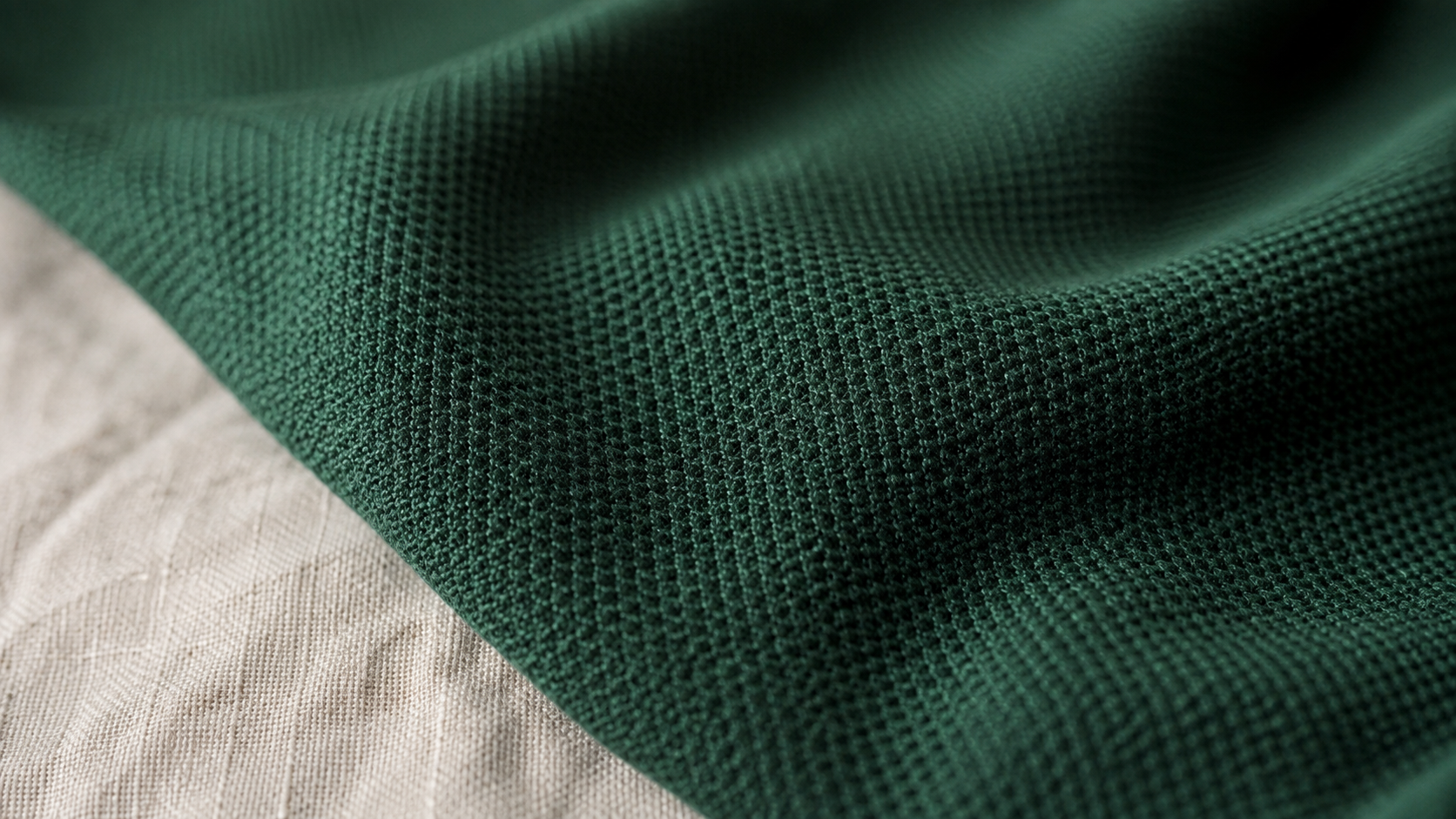
Knit apparel manufacturing covers garments made from knitted fabrics such as jersey, interlock, fleece, pique, rib, and ponte. These fabrics stretch and recover differently from woven materials, which affects cutting, sewing, finishing, and quality control throughout production.
T-shirts and jersey basics
Single-jersey cotton, poly-cotton, and tri-blend programs produced at volume. GSM consistency, shrinkage control, yarn quality, and color consistency across dye lots have a direct effect on the finished product.
Polo shirts
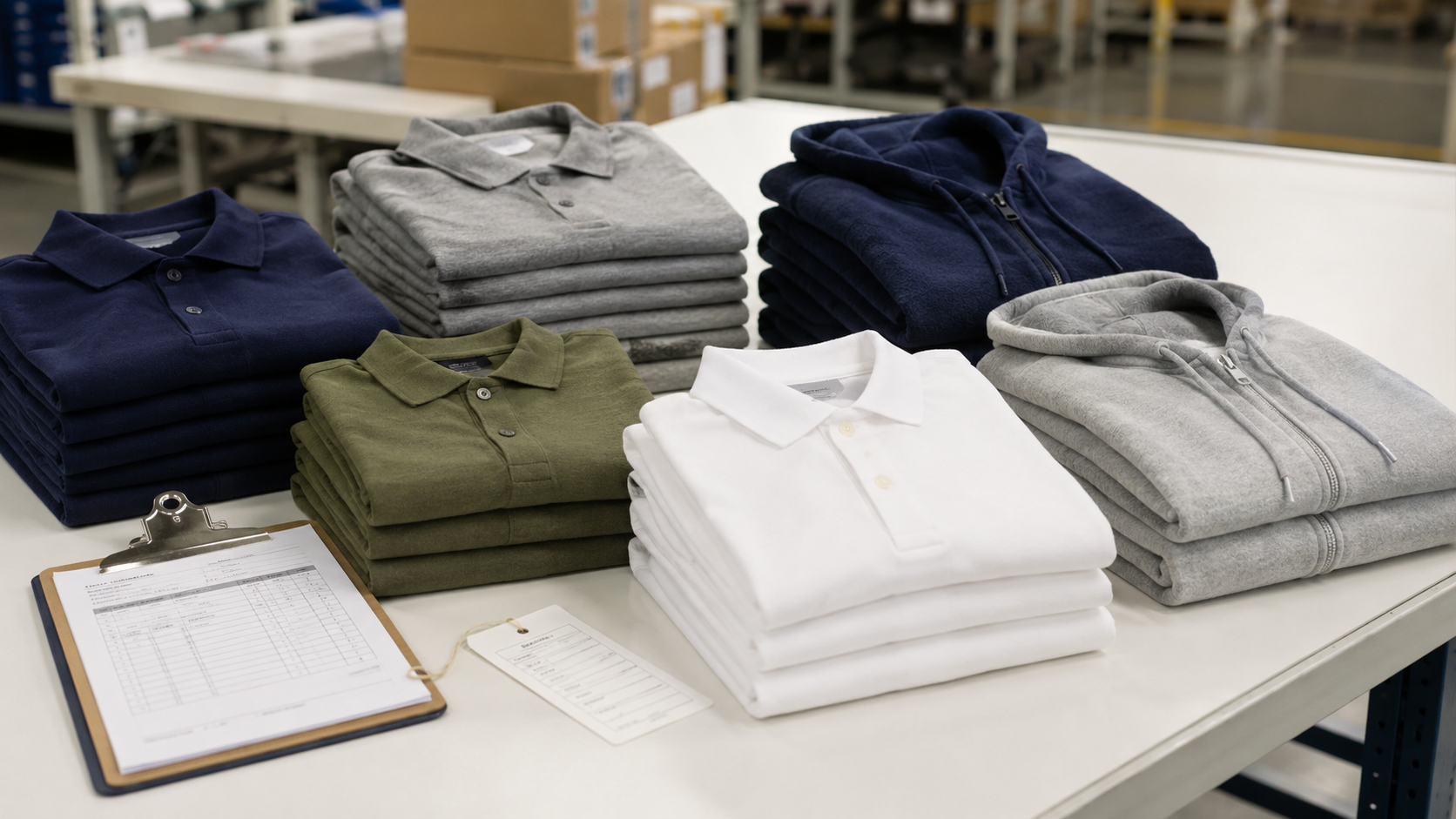
Pique-knit construction with collar and placket assembly, from corporate uniform polos to retail programs. Collar shape, placket construction, stitching, and fabric recovery are among the first details buyers notice in the finished garment.
Fleece and French terry
Hoodies, sweatshirts, crew necks, and joggers. Fleece is usually brushed on the inside for warmth, while French terry keeps its loopback surface and works well for lighter or transitional garments. Fabric weight, brushing quality, shrinkage, and surface preparation for printing all need careful control during production.
Ponte and structured knit
Double-knit fabrics with enough body to support more structured garments, including blazers, dresses, trousers, and uniforms. Fabric weight, stretch, and recovery need to stay consistent across the size range so the garment holds its intended shape.
Sweaters and fully-fashioned knitwear
Heavier gauges, pattern knitting, and panels shaped directly on the knitting machine. Fully-fashioned construction reduces cutting waste and creates a different fit and hand from cut-and-sew knitwear. Gauge, yarn weight, stitch structure, and hand are set during development and confirmed through sampling.
Uniform knit programs
Polos, base layers, fleece, and knit outerwear for corporate and institutional programs. These programs depend on repeatability, especially color matching between dye lots, consistent measurements across reorders, and size ranges that often go beyond standard retail sizing.
What Knit Construction Requires
Stretch changes the way knit garments move through a factory. Cutting tension, seam construction, machine setup, finishing, and inspection all have to account for how the fabric expands and recovers. Facilities with strong woven capability do not automatically have the equipment or operator experience needed for knit production. That is why choosing a manufacturing partner by category capability matters when evaluating suppliers in Vietnam.
Cutting
Knit fabric usually needs time to relax after spreading and before cutting. Tension from the roll can temporarily stretch or compress the material, and cutting too early can lead to dimensional changes later. Spread tension, relaxation time, marker placement, and fabric inspection all need knit-specific controls. Across Pham Fashion House's production network, these checks happen before fabric reaches bulk cutting so weight or dimensional variation can be caught early.
Sewing
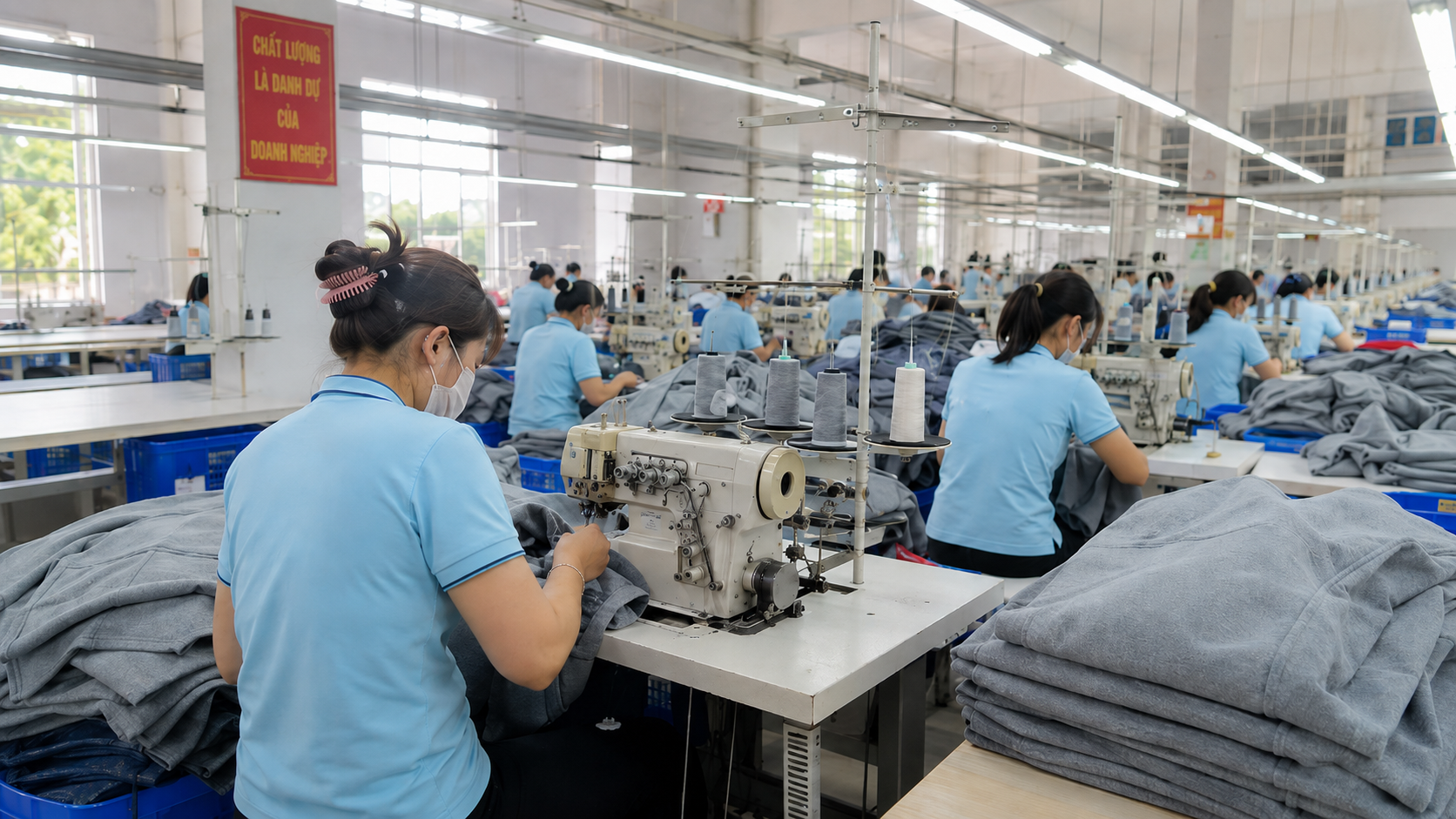
Most knit seams rely heavily on overlock and coverstitch equipment because the seams need to move with the fabric. Stitch density, machine tension, needle selection, and thread type all affect how the garment performs through repeated wear and washing. Necklines, bindings, rib attachments, and polo collars are especially revealing because small inconsistencies in tension or handling are easy to see once the garment is worn.
Finishing
Finishing has a major influence on the final hand, dimensions, and appearance of a knit garment. Compacting helps stabilize dimensions. Enzyme washing can soften the surface. Brushing creates the interior texture of fleece, while silicone finishing can change drape and hand. The same base fabric can produce noticeably different results depending on the finishing sequence and how aggressively each process is applied.
Dimensional stability
Shrinkage and dimensional change are among the most common quality issues in knit production. Length shrinkage, width growth, and spirality, where a jersey garment twists after washing, can all be measured and managed when tolerances are defined early. The tech pack should also make clear whether garment measurements are specified before or after washing. Pham Fashion House reviews these points as part of the quality control and inspection process for knit programs.
Knit production has its own equipment, operator skills, finishing requirements, and quality controls. Matching the program to the right factory is one of the first production decisions that matters.
What a Knit Program Needs Before Pricing
Accurate knit pricing starts with a usable specification. Missing details usually show up later as quote revisions, sampling changes, or avoidable production questions. The information required overlaps with woven apparel, but knit programs also need clear direction on fabric construction, yarn, stretch, recovery, shrinkage, and finishing. Our guide to production-ready tech packs covers the broader specification framework.
Yarn and GSM
Yarn count, fiber blend, and target fabric weight in grams per square meter. A 160 GSM single jersey in 30/1 combed cotton will have a different hand, cost, and performance profile from a 180 GSM fabric made with 20/1 open-end yarn. These choices shape both sourcing and finished garment quality.
Construction type
Jersey, interlock, rib, pique, fleece, French terry, or ponte, along with any specialty structure such as auto-stripe, jacquard, or pointelle. Construction affects machine requirements, fabric sourcing, lead time, and price.
Shrinkage and tolerances
State whether measurements apply before or after washing and define acceptable ranges for length shrinkage, width change, and spirality. Clear tolerances give the factory a measurable standard for both sampling and bulk production.
Finishing method
Enzyme wash, silicone softener, compacting, brushing, garment dye, or other required treatments. Finishing affects weight, hand, appearance, and dimensions, so the intended result should be confirmed during sampling.
Print or embellishment
Screen print, heat transfer, DTG, sublimation, embroidery, or appliqué, including placement, dimensions, and color count. Print performance depends partly on the fabric surface, so embellishment and fabric construction should be developed together.
Quantity by style and color
Standard knit programs typically begin at 3,000 units per style. Color splits may be possible depending on the fabric construction, dye method, and mill minimums. Quantity, size ratio, and colorway count all influence the production plan and final pricing.
How Pham Fashion House Coordinates Knit Production
Pham Fashion House manages knit programs from specification review through export documentation. Our Vietnam production network has capacity of roughly two million knit pieces a month and established experience across polos, jersey basics, fleece, structured knit, and fully-fashioned knitwear for international retail and institutional programs.
We match each project to a factory with the right knit capability for the construction, volume, and finishing requirements. From there, we coordinate fabric sourcing and approvals, manage the sampling and production timeline, and oversee quality through bulk production. Buyers developing technical or performance knit programs can also review our guide to performance apparel manufacturing in Vietnam.
Vietnam apparel manufacturing and sourcing
Planning a knit program?
Pham Fashion House coordinates knit apparel manufacturing in Vietnam for brands, uniform programs, and institutional buyers, from fabric sourcing through export. If your tech packs and quantity targets are ready, send them over for factory review and pricing.
Start a Conversation