Custom Uniform Manufacturing in Vietnam: A Guide for Healthcare, Hospitality, and Institutional Programs
Custom uniform manufacturing in Vietnam serves organizations that need more than a catalog vendor. For hospital systems, hotel groups, restaurant chains, retail networks, and facilities operations, a uniform program is a production decision that requires the right factory, the right materials, and a production partner who can maintain the standard across thousands of units and multiple reorders.
Pham Fashion House supports scaled custom uniform programs across healthcare, hospitality, food service, retail, and facilities categories. This guide covers the industries we serve, what production at scale requires, and what buyers should plan before approaching a manufacturing partner.

Production minimums and program fit
Pham Fashion House is best suited for organizations planning structured, scalable uniform programs. Our standard production minimum is 3,000 units, with limited flexibility down to 1,000 units depending on garment type, fabric, and program scope. Organizations below that threshold are usually better served by catalog suppliers or domestic vendors for now, and we welcome the conversation again as volume grows.
Industries We Support with Custom Uniform Programs
Uniform requirements vary significantly across industries. The fabric performance needed for a housekeeping team is different from what front-of-house hospitality staff require. The construction standards for a healthcare lab coat are different from a facilities coverall. We work across the following categories with factory partners that have specific experience in each.
Healthcare and Clinical Uniforms

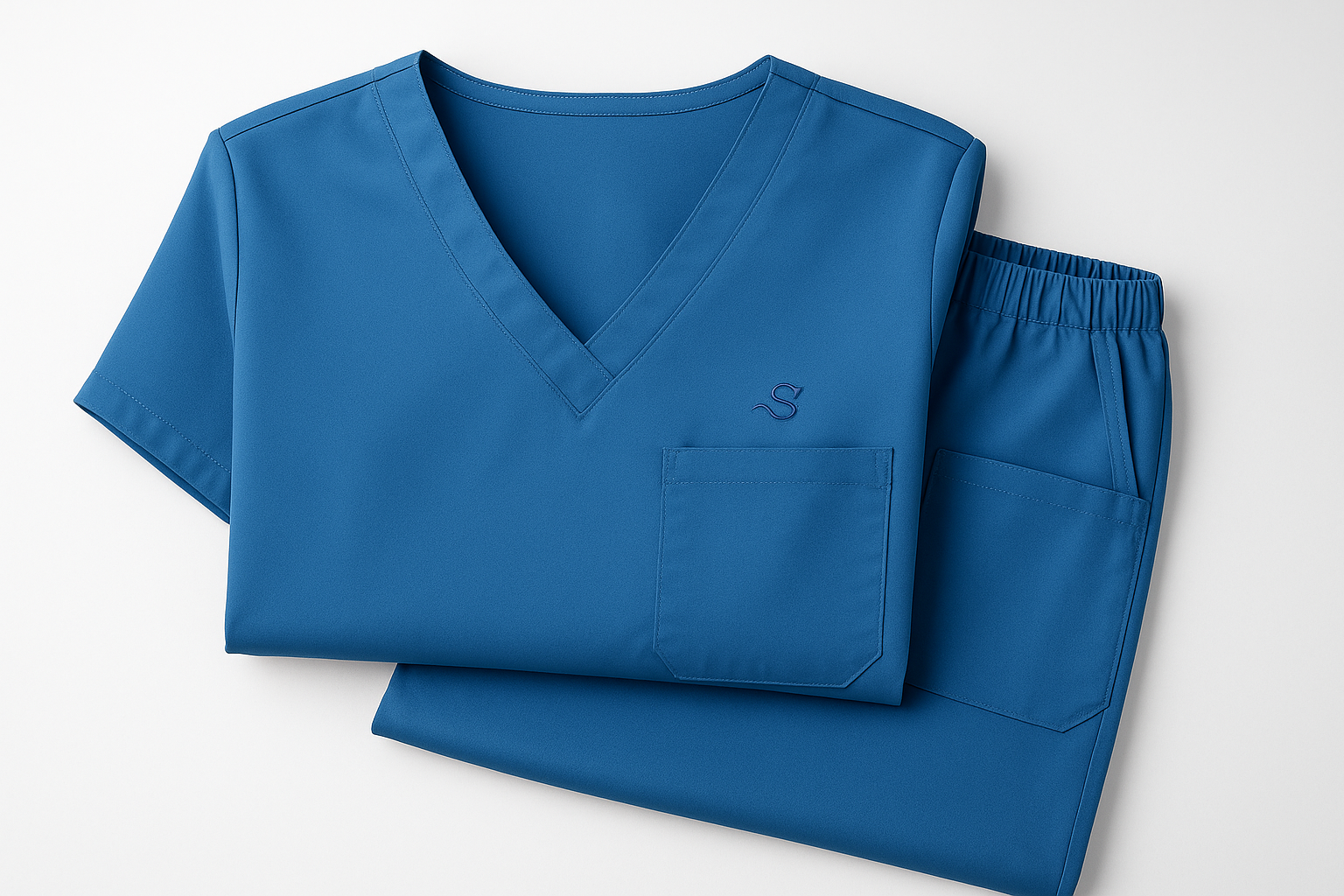
Hospital systems, clinic networks, nursing homes, and healthcare staffing companies require clinical uniforms that perform under daily institutional wear and frequent industrial laundering. The garment categories typically span scrubs, lab coats, nursing uniforms, and warm-up jackets across a full and diverse size range.
Key production considerations include antimicrobial fabric performance, industrial wash durability, color consistency across departments, and the ability to reorder reliably as staff populations grow or turn over. For a detailed guide to institutional healthcare uniform production, our medical apparel manufacturing guide covers the category in full.
Hospitality Uniforms

Hotels, resorts, cruise lines, and event venues typically require uniform programs across multiple departments, including front of house, food and beverage, housekeeping, spa, and operations. Each department has different construction, fabric, and finishing requirements while the overall program needs to maintain a unified brand identity.
For hospitality buyers, wrinkle-resistant fabrications, custom embroidery, and brand-aligned colorways are common requirements. Consistency across properties and the ability to replicate the approved standard on future reorders are the primary production objectives. Our hospitality uniform manufacturing guide covers the full production process for hotel groups and multi-property operators.
Food Service Uniforms

Restaurants, catering companies, cafe groups, and food preparation facilities need uniforms that hold up in demanding working conditions. Chef coats, server uniforms, aprons, and kitchen pants all require stain-resistant materials, practical construction, and performance under high-temperature working environments and frequent washing.
For food service operators expanding across multiple locations, consistency in branding, fabric, and fit across the full staff population becomes as important as the garment's functional performance. Production planning should account for the full size range and include wash performance testing before bulk commitment. Our guide to quality control and inspection in Vietnam covers how that testing fits the production schedule.
Retail and Corporate Uniforms
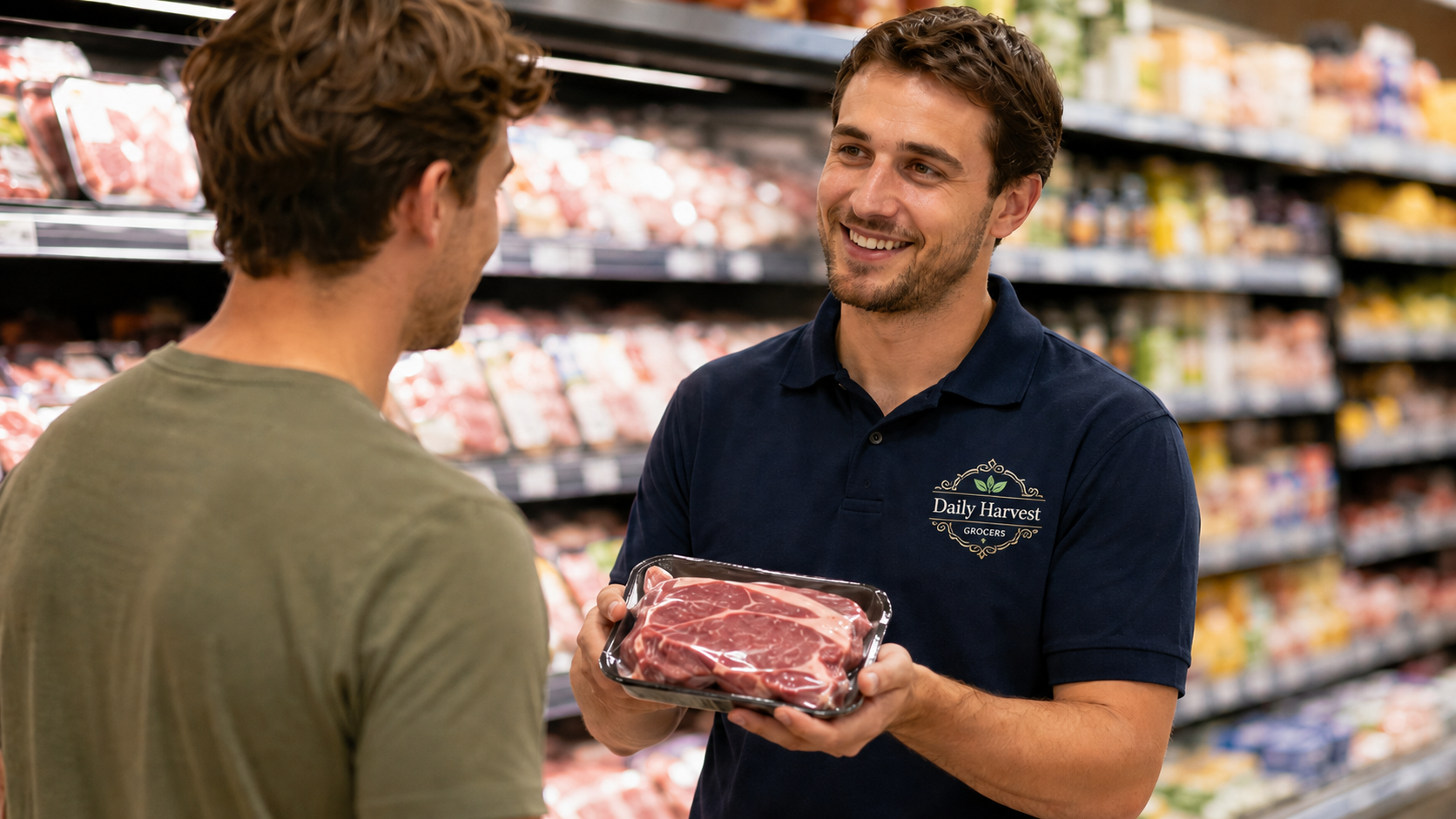
Grocery chains, retail networks, franchise operations, and corporate organizations need staff apparel that maintains consistent presentation across every location. Branded polos, button-down shirts, outerwear, and customer service uniforms all need to look and fit consistently whether the order is for a single store or a national rollout.
For retail programs at scale, repeat production reliability is the central requirement. The ability to reorder the same product with the same fabric, color, and construction standard as the original order is what separates a well-managed uniform program from one that creates ongoing quality and branding problems. For organizations combining staff apparel with branded merchandise, our guide to corporate branded apparel production covers that side of the program.
Facilities, Trade, and Operations Uniforms

Cleaning services, logistics operations, construction companies, utilities, and maintenance organizations need workwear-grade construction that holds up to physically demanding conditions. Coveralls, high-visibility vests, work pants, and maintenance uniforms all require reinforced seams, weather-resistant fabrics, and construction built for the job.
For operational programs covering large workforces, consistent sizing across a wide range, practical pocket and closure placement, and compliance with applicable safety standards are production requirements that need to be specified before sampling begins. Our workwear manufacturing in Vietnam guide covers the production considerations specific to this category in more detail.
What Custom Uniform Production Requires at Scale
The difference between a uniform program that works and one that creates ongoing problems almost always comes down to decisions made before bulk production begins. Organizations that plan their programs carefully from the start spend less time managing quality issues, reorder problems, and supplier inconsistency over the life of the program.
Complete specifications before sampling
Tech packs or detailed reference garments with graded measurements, fabric direction, construction notes, and trim specifications allow factories to quote accurately and sample precisely from the first round.
Fabric performance testing
Uniform fabrics need to be evaluated under the actual use and laundering conditions the garment will face rather than against general retail care standards. Shrinkage, colorfastness, and seam strength under industrial washing should be confirmed before bulk commitment.
Sealed approved samples
Every style and colorway should have a sealed approved sample that serves as the physical reference for all production inspections. Our guide to design protection and fabric substitution covers how a sealed sample works as a contractual reference.
Dye lot documentation
Every production run should document the dye lots used for each color and size. This is essential for reorder consistency and for diagnosing any color variation that appears after delivery.
Multi-stage quality inspection
Inline inspections during production, pre-shipment QC against the sealed approved sample, and measurement audits across the size run all contribute to consistent quality at the point of delivery.
Reorder terms established upfront
Minimum quantities, lead times, fabric reservation options, and pricing terms for repeat orders should be agreed before the first bulk order is placed. Our guide to repeat production programs covers how those terms are structured.
The organizations that manage uniform programs well treat production consistency the same way they treat any other operational standard. It is non-negotiable and it has to be built in from the start.
Why Vietnam Supports Custom Uniform Manufacturing at Scale
Vietnam has developed significant manufacturing capability across the garment categories that uniform programs require. Structured woven garments, performance knits, workwear-grade construction, and formal front-of-house apparel are all within the established range of Vietnam's export factories. The workforce is large and experienced in producing for international institutional buyers who have demanding consistency and compliance requirements.
Trade and cost advantages
Vietnam's EVFTA covers EU buyers, and CPTPP membership covers Japan, Australia, and Canada. For US-bound programs, Vietnam and China now sit at the same base tariff rate, so the difference between them comes from the earlier trade-war tariffs that stack above China's base. Our Vietnam apparel tariff guide carries the current position by category.
Production capability
Vietnam's export factories support a wide range of garment categories, construction requirements, fabric types, and compliance standards. Factory partners with experience in institutional programs understand the consistency and documentation requirements that repeat production demands.
What to Plan Before Approaching a Uniform Production Partner
Buyers should arrive with a department and garment category breakdown, estimated unit count by style and size, fabric and color direction, branding and identification requirements, a delivery timeline, and clarity on whether this is a one-time program or an ongoing reorder relationship. For the full process from first conversation to bulk delivery, our guide to scaling uniform programs covers each stage, and our guide to switching garment production to Vietnam covers factory relationships, timelines, and quality management for buyers new to the country.
How Pham Fashion House Supports Custom Uniform Programs
Pham Fashion House is a New York based apparel sourcing and production partner with operations in Vietnam. We support hospital systems, hotel groups, restaurant chains, retail networks, and corporate organizations planning scaled custom uniform programs across North America, Europe, Japan, Korea, Australia, and other markets.
We support the full program development process from factory matching and fabric sourcing through sampling, production oversight, quality inspection, packaging, export documentation, and logistics coordination. Our production network includes factory partners with demonstrated capability across healthcare, hospitality, food service, retail, and facilities uniform categories.
Programs typically start at 3,000 units across styles, with limited flexibility to 1,000 units for qualified programs. Buyers should come to the initial conversation with a department breakdown, estimated unit count, fabric and color direction, and a delivery timeline.
Custom uniform manufacturing in Vietnam
Planning a scaled uniform program?
Pham Fashion House supports healthcare, hospitality, food service, retail, and facilities organizations producing custom uniform programs in Vietnam. Programs typically start at 3,000 units across styles.
Discuss Your Program